7 Simple Looks That Always Flatter on Camera (Plus Posing Tips)
Author:Mike Fakunle
|
Released:March 5, 2026
Most people don’t look bad on camera; they just haven’t figured out what works for them yet. A few intentional choices in clothing, color, and posture can make a big difference.
Whether you’re prepping for a headshot, a content shoot, or an important Zoom call, these camera‑flattering outfits and posing tips are worth knowing before stepping in front of the lens.
Solid Colors Over Busy Prints
If there's one rule that holds up across every type of camera setup, it's this: solid colors photograph better than busy patterns. Stripes, tiny florals, and tight geometric prints often cause a moiré effect on camera — that strange, flickering distortion you've probably seen on someone's shirt during a video call [1].
Navy, forest green, burgundy, and dusty rose are consistently strong choices. They read as polished without competing with your face. Bright white can cause overexposure issues under certain lighting setups, and all-black tends to flatten your shape on camera.
Soft, muted tones that contrast slightly with your skin tone tend to create the most balanced looks that flatter on camera. If you're warm-toned, terracotta and warm caramel shades look incredible. Cool-toned skin glows in slate blue and sage.
Styling yourself in a solid, well-chosen color is probably the single fastest way to upgrade how your camera‑flattering outfits read before you even think about posing.
A Well-Fitted Blazer (Even a Casual One)
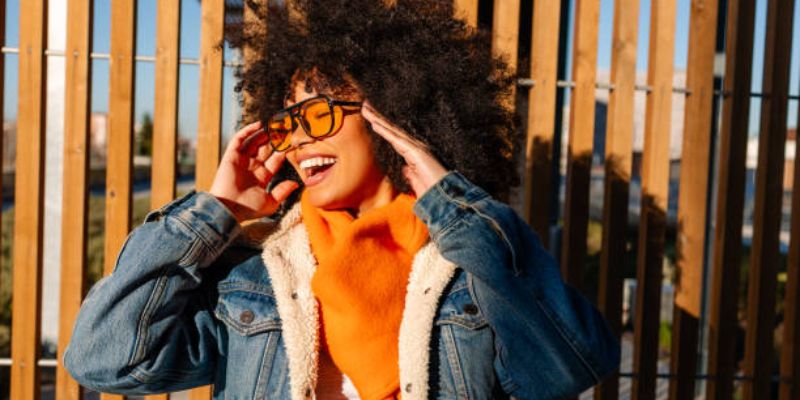
A blazer is probably the most reliable piece in the world of looks that flatter on camera. It creates structure around the shoulders, defines the torso, and signals confidence without looking like you tried too hard.
The keyword is "fitted." A blazer that pulls across the shoulders or hangs at the waist does the opposite of what you want on camera. It draws attention to proportion issues rather than smoothing them over.
Oversized blazers worn intentionally, with one button fastened and sleeves slightly pushed up, can also look sharp on camera, especially for lifestyle or content shoots. The mistake most people make is wearing something baggy without committing to the look.
Linen, ponte, and structured cotton blazers photograph beautifully. Shiny fabrics like satin and some polyester blends tend to reflect light unevenly and can look cheap even when they are not. For a photoshoot, always test your blazer under the actual lighting you'll be using.
Monochromatic Outfits
Wearing one color from head to toe, or close to it, is one of the simplest ways to look taller, leaner, and more composed on camera. It removes visual interruption and lets the eye travel smoothly, which reads as effortless rather than overthought.
This doesn't mean wearing identical shades top to bottom. Mixing textures within one color family, such as a camel knit with camel wide-leg trousers, looks intentional and visually interesting on camera. The effect is clean without being stiff.
Research on color perception in digital media consistently finds that monochromatic outfits read as more professional and visually coherent in video formats than mixed-color combinations. That tracks with what stylists have been saying for years, and it's one of those camera-flattering outfit rules that rarely has exceptions.
The added bonus: getting dressed is faster. Pick a color family, vary the texture, and you've already solved the biggest styling decision before your photoshoot even begins.
A V-Neck or Open Collar
Necklines matter more on camera than in person, mostly because camera framing cuts you off mid-body and puts your face and neck front and center. A V-neck, even a subtle one, draws the eye upward and elongates the neck visually.
Crew necks and turtlenecks can work beautifully, but they tend to shorten the neck on camera. If you love a turtleneck, wear it, just know you may need to angle your chin forward more deliberately to compensate.
For men, an open shirt collar with one or two buttons undone photographs well and reads as relaxed and confident. Button-up shirts are excellent for a photoshoot; just make sure the fit is right across the chest and shoulders, because any pulling will show up on camera in ways it doesn't in the mirror.
V-necks are among the most consistent looks that flatter on camera across different body types and shoot settings. It's not glamorous advice, but it works almost every time.
Minimal, Intentional Accessories
Accessories on the camera are a balancing act. Too many and you look cluttered; none and you can look underdressed or flat. The sweet spot is usually one or two items visible in frame.
Statement earrings work really well on camera because they add personality without adding visual weight to the body. A watch, a simple chain, or a clean ring can add texture and warmth. Avoid chunky stacked bracelets if your hands will be in frame, as they move and catch light in distracting ways during a photoshoot or video call.
Avoid anything that jingles, flickers, or reflects light intensely. Highly reflective jewelry, such as mirror-finish metals or rhinestone clusters, can create distracting glare depending on your lighting setup. The goal is for accessories to complement your camera-flattering outfits without becoming the loudest element in the frame.
Clothes That Fit the Frame, Not Just Your Body
One thing that's easy to overlook is that what looks great in person doesn't always translate to a cropped, compressed camera frame. Flared trousers, for example, barely register if you're shooting from the waist up, so the careful hem-to-shoe proportion you spent time on is invisible.
For video calls and headshots, focus your styling energy on the top half: neckline, fit across the chest and shoulders, and sleeves if they're in frame. For full-body shoots, waist definition becomes more important.
Clothes that are slightly tailored, not skin‑tight but with a clear sense of your silhouette, always read better on camera than anything too loose. Properly fitted clothing helps the camera capture clean lines and a polished outline, while baggy garments can create a shapeless look and add visual bulk in portraits.
Professional outfit guides consistently recommend avoiding oversized or shapeless pieces in favor of clothes that follow some natural form for flattering results in headshots and portrait sessions.
Structured fit is especially important for Zoom calls and screen-based appearances, where low resolution compresses detail and soft silhouettes can look shapeless.
A Neutral Base With One Statement Piece
The classic editorial formula of a neutral base with one pop of color is one of the most reliable looks that flatter on camera because it's easy to process visually. A cream blouse and tailored trousers with a bold red lip, or a grey suit with an electric-blue tie, both read clearly without overwhelming the viewer.
Cameras tend to compress and flatten visual information. One intentional focal point is easier to read than five competing elements. Fashion stylists on major commercial productions routinely use this formula as their default, especially for photoshoot contexts where digital compression is a factor.
If you're styling yourself for personal shoots or brand content, start here. Nail the neutral base, add one deliberate statement, then stop. The urge to keep adding things is usually what takes a look from clean to chaotic.
Posing Tips That Hold Up Across Every Setup
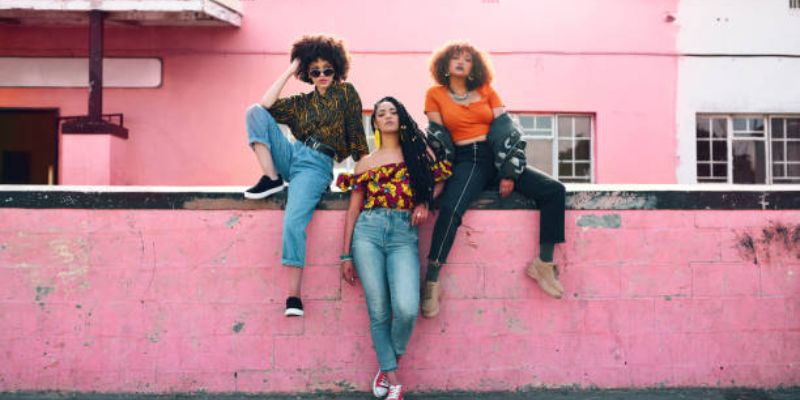
Good clothes can only do so much. The way you hold your body often has more impact on how flattering photos end up than the outfit itself.
Chin forward, not up
The most universally effective posing tips for photos start here: bring your chin slightly forward, then aim it slightly down. It sharpens your jawline, eliminates under-chin shadow, and creates a more defined facial structure. Almost every person who "knows their angle" is doing some version of this. It looks strange in the mirror. It looks great on camera.
Angle your body
Standing or sitting at roughly 45 degrees to the camera, instead of facing it straight-on, adds depth and dimension while naturally slimming your frame. Facing the camera directly can work for certain power poses, but for most portraits and photoshoot settings, angling your body is generally more flattering across all body types.
Shoulders back, but not rigid
Rolled or rounded shoulders appear closed-off and uneasy on camera. Gently pulling your shoulders back opens the chest and conveys confidence. Avoid tensing up; a stiff, straight posture looks unnatural in photos. Aim for a comfortable, open, and engaged stance.
Shift your weight
When standing, placing your weight on your back foot and shifting slightly creates a more natural, dynamic silhouette. It avoids the square-footed stance that makes people look like they're waiting for a bus. It's a subtle change that shows up immediately in photos.
Create space between your arms and torso
Pressing your arms flat against your sides is one of the fastest ways to look wider on camera. Even a small gap, such as resting a hand on a hip or letting your arm fall slightly away from your body, makes a real difference. This is one of those posing tips that photographers often have to remind clients about, because it feels unnatural until you see it on camera.
Hands need intention
Limp hands, fists, or hands jammed into pockets without purpose look awkward in photos. Let your hands rest naturally or give them something to do, such as holding something, resting lightly on a surface, or in a pocket with thumbs out. For video calls, your hands are often in frame when you gesture, so watch how you use them.
Find your light before you find your pose
All the posing tips in the world won't compensate for bad lighting. Before a photoshoot, take a few test shots to see how the light hits your face. Soft, slightly elevated frontal light is the most universally flattering — it reduces shadows and evens out skin tone. Harsh downward light is almost always problematic [3].
What to Avoid: The Outfits That Consistently Backfire on Camera
It's worth talking about the outfits that reliably don't work, because a lot of people wear them without realizing the effect.
Horizontal stripes are probably the most well-documented example of flattering clothes on camera gone wrong. They visually widen the body and cause distortion artifacts at lower resolutions. Vertical stripes are better, but still risky, especially fine ones, which create that moiré shimmer on screen.
Logo-heavy pieces pull attention toward the brand rather than your face. On camera, that reads as cluttered. A single small logo on a pocket can work, but a chest plastered in graphics is distracting for headshots and video calls.
Anything with a very similar tone to your skin can cause you to blend into yourself. Nude, peach, and tan tones are tricky because the contrast between your face and your clothing disappears. A tiny bit of contrast between skin and clothing helps define your silhouette.
Overly casual pieces, such as a faded t-shirt or pajama-adjacent fabric, can undermine even good posing. The camera picks up on texture and formality more than you'd expect. It doesn't mean you need to dress up, but the fabric and condition of what you wear sends a signal before you've said a word.
Before Your Next Shoot
The best looks that flatter on camera aren't about expensive clothes or memorizing a dozen posing tips. They're about removing visual distractions and letting your presence carry the frame.
Nail the fit, choose a color that works with your skin, pick one statement piece, angle your body, and bring your chin forward. That combination alone covers about 80% of what makes the difference between a photo you cringe at and one you actually want to use.
Run through a couple of outfit options before your next photoshoot or important video call. Test them on your phone under real lighting. The camera-flattering outfits that work for you will become obvious fast, and once you know them, getting dressed for any on-camera moment becomes a lot less stressful.
References
[1] Vogue – https://www.vogue.com
[2] Pixieset – https://www.pixieset.com
[3] Allure – https://www.allure.com
You May Like
Fashion Trends
Quiet Luxury On a Budget: 7 Affordable Brands That Look High-End
Design
Quiet Luxury Bags: The New Way To Wear Elegance Without Logos
Fashion Trends
How Sustainability Is Shaping Fashion Trends In 2026
Fashion Trends
Street Style Evolution: Fashion Trends Inspired By Urban Culture
Outfit Ideas
Baggy Jeans Are ‘OUT’: Here’s the French Style Taking Their Place